
Butt fusion welding of PE, PP and PVDF pipes
We join pipes and fittings end to end using a heater plate and controlled pressure. This is how we build process pipelines, manifolds and prefabricated sections, on construction sites or in plants.
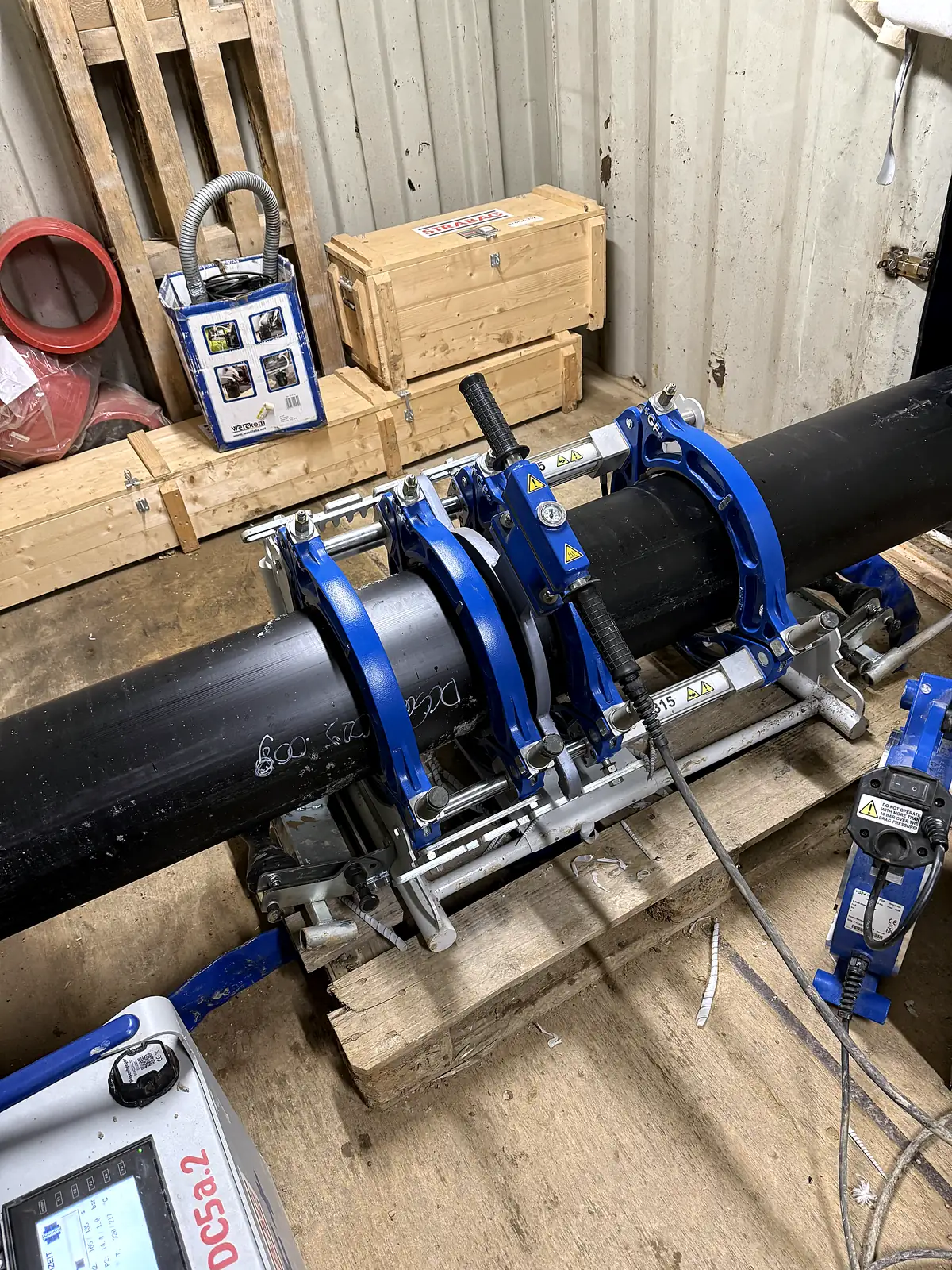
How butt fusion welding works
We clamp the pipe ends in the welding machine on a common axis and square their faces with a facing tool. We then press them against the heated plate until the material softens. After removing the plate, we bring the ends together under controlled pressure and leave the joint to cool.
A properly made butt fusion joint is as strong as the pipe itself, and no fittings are needed. That is why it is the standard method for PE and PP pipelines, both pressure and gravity.
When to use this method
- pressure and process pipelines in PE and PP
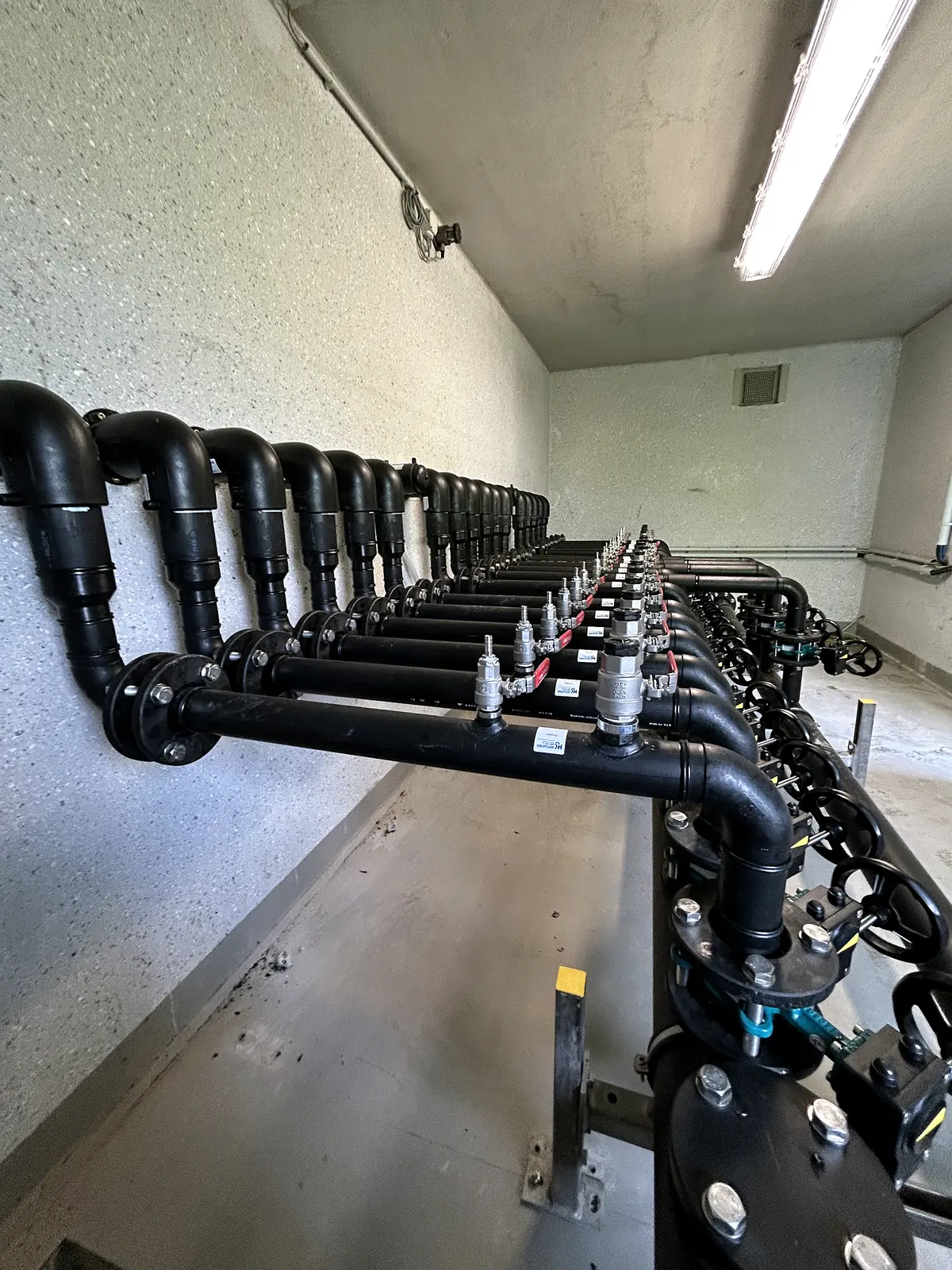
- manifolds and headers with multiple outlets
- prefabrication of pipe sections before installation
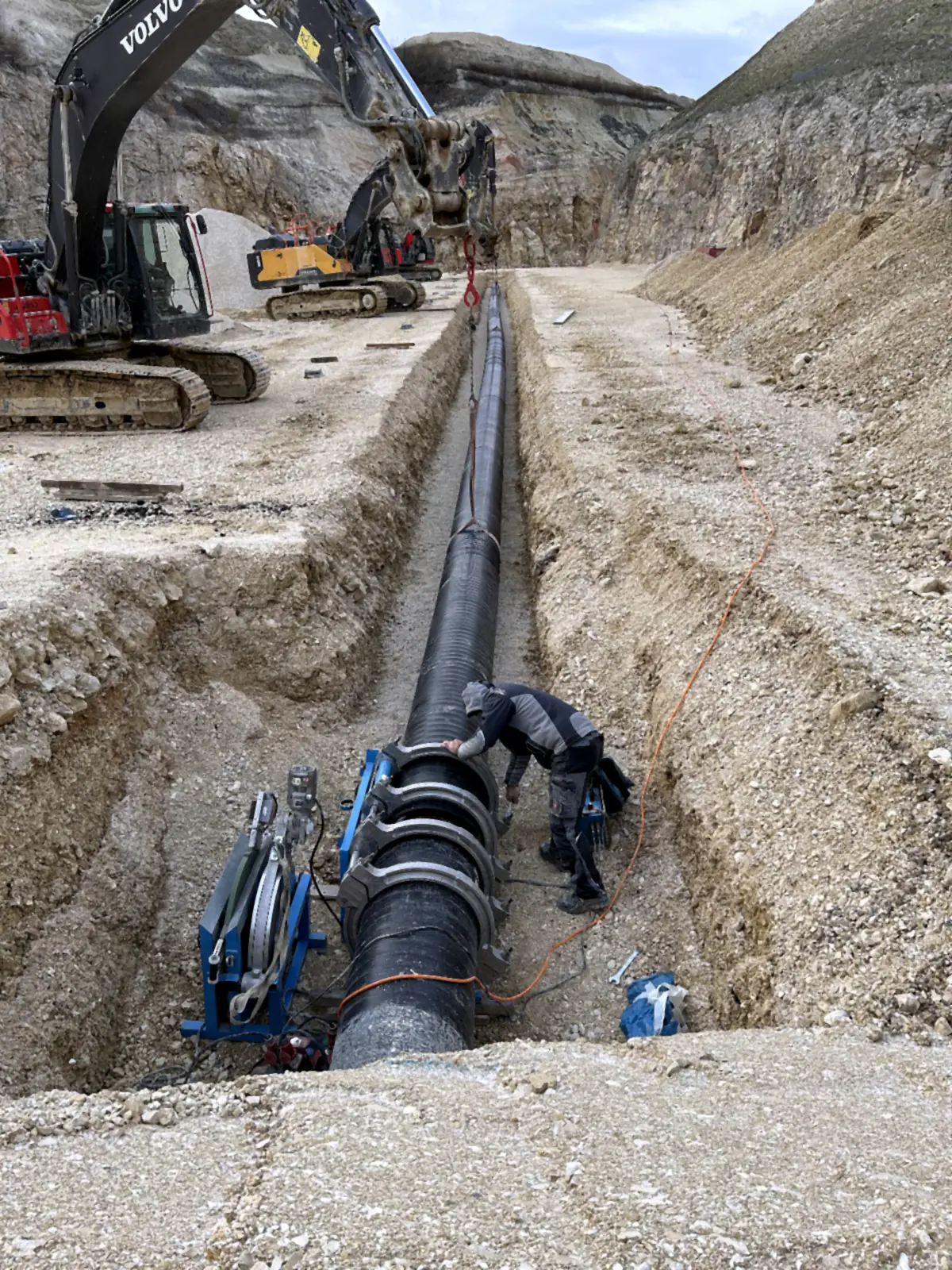
- long runs laid on construction sites and in trenches
- larger pipe diameters, where fittings would be expensive
When another method is better
- no space for a welding machine, e.g. in a manhole or next to a wall: electrofusion welding
- tie-in to an existing pipeline that cannot be moved: electrofusion welding
- sheets, tanks and nozzles: extrusion welding
- PVDF and PP installations where joint cleanliness matters: IR welding
Materials
- PE
- PP
- PVDF
How the welding is carried out
- 01
We clamp the pipes in the machine
We align the ends on a common axis so that there is no misalignment around the circumference.
- 02
We face the ends
The facing tool removes a thin layer of material. The faces must be in contact around the entire circumference.
- 03
We heat with the plate
We press the ends against the heater plate until the material softens to the right depth.
- 04
We join under pressure
We remove the plate and immediately press the ends together. An even weld bead forms at the joint.
- 05
We cool and inspect
The joint cools under pressure. We then assess the weld bead around the entire circumference.
We set the welding parameters for the material, diameter and wall thickness of the pipe.
Inspection and documentation
We visually inspect every joint: the shape and uniformity of the weld bead say a lot about its quality. Every joint is recorded: semi-automatic machines log the data themselves, and with manual machines we fill in the record on the form for this method. Before handover, we carry out a leak or pressure test. We hold DVS certificates and a TÜV certificate for this method.
From our projects
Questions about butt fusion welding
Do you weld pipes directly on the construction site?
Yes. We bring our own welding machine and work in production halls, on construction sites or in trenches, if there is room for the machine.
Can you prefabricate a manifold in advance and install it later?
Yes, we can weld manifolds and pipe sections in advance and only install them on site. This shortens the work on site, which matters during a plant shutdown.
What should I include in my enquiry?
The pipe material and diameters, the approximate number of joints, the location and the date. A drawing or a photo from your phone helps a lot.
Other methods
-
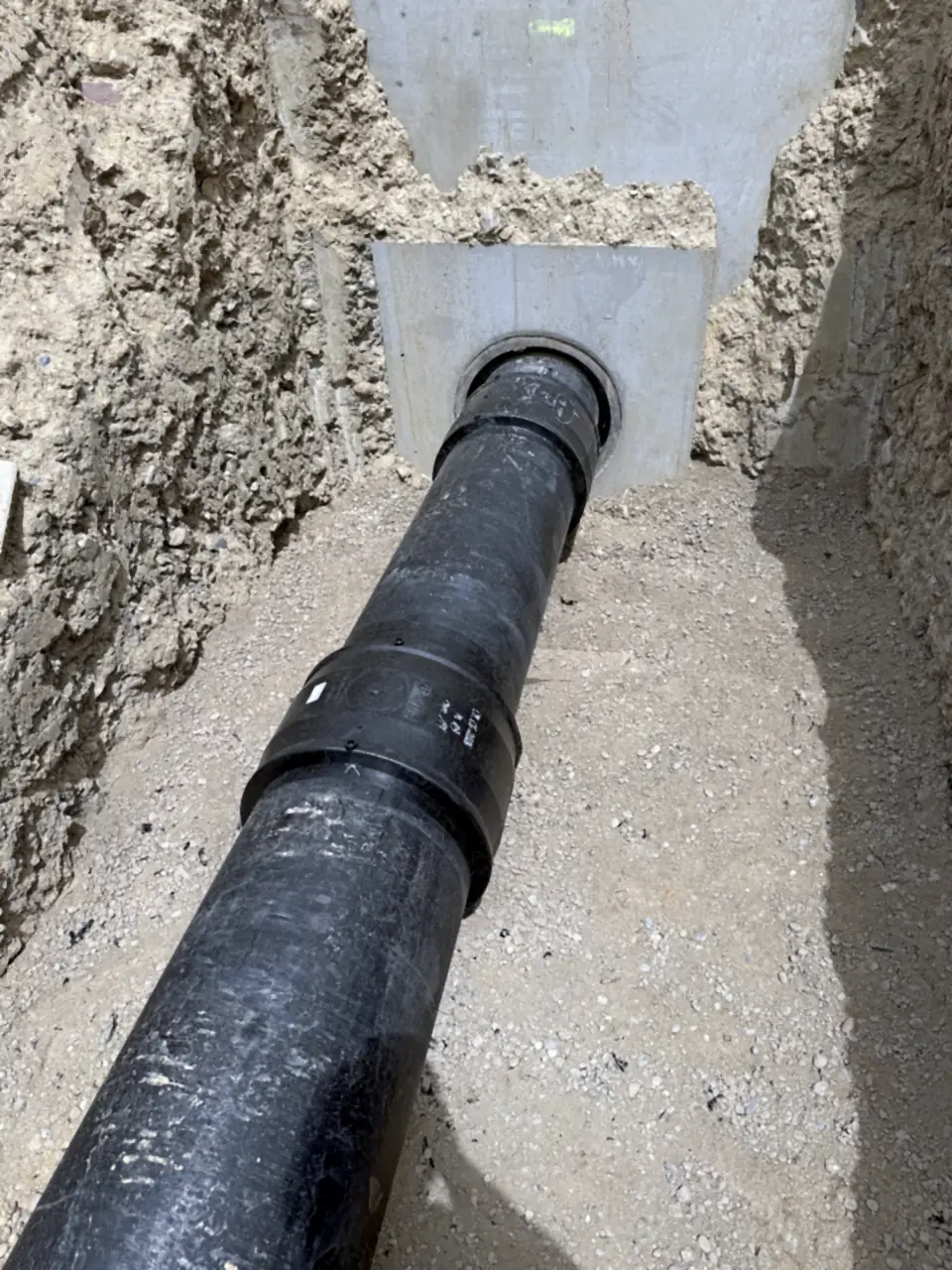 Electrofusion weldingA fitting with an embedded heating wire is fused by electric current. For places where a butt fusion machine will not fit.More about this method
-
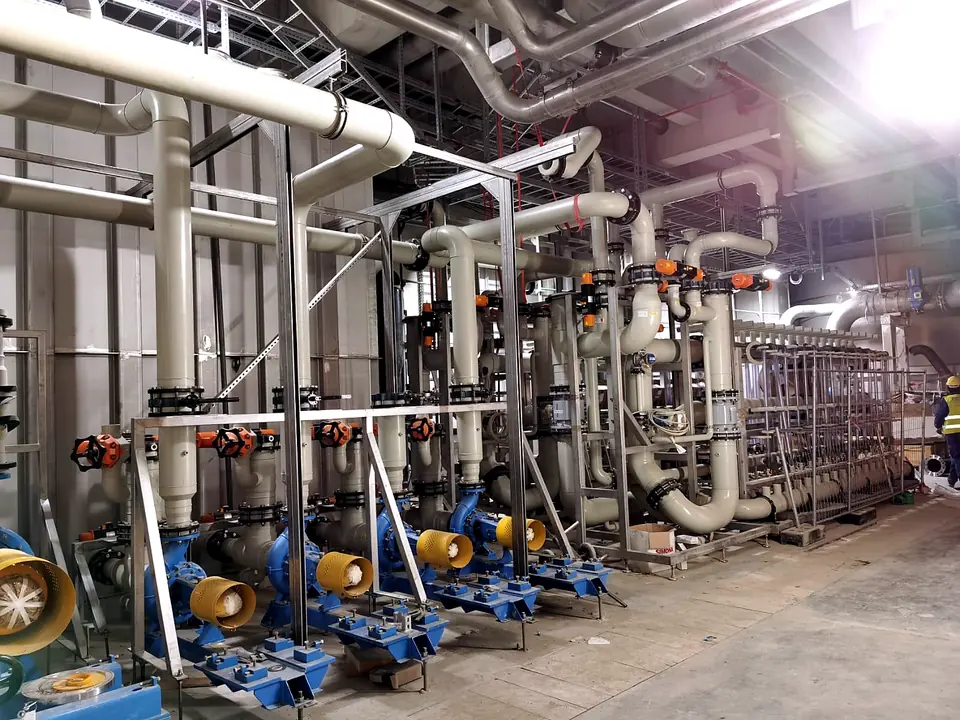 Infrared (IR) weldingHeating with an infrared emitter, without contact with a plate. Clean, repeatable PP and PVDF joints.More about this method
-
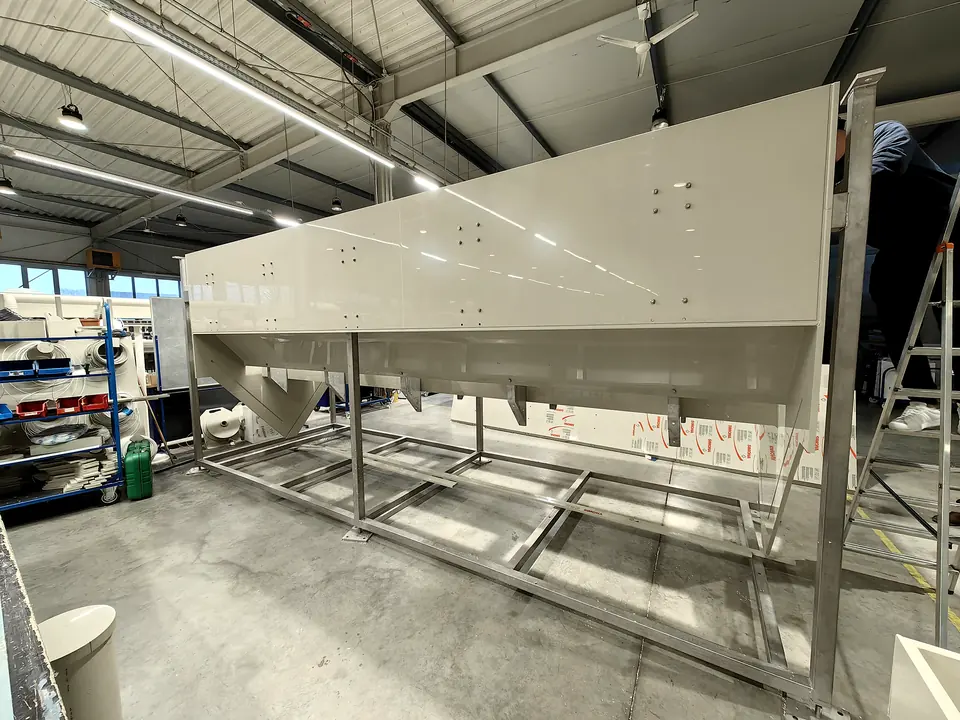 Extrusion weldingA hand-held extruder feeds plasticised welding rod straight into the weld. For sheets and thicker components.More about this method
-
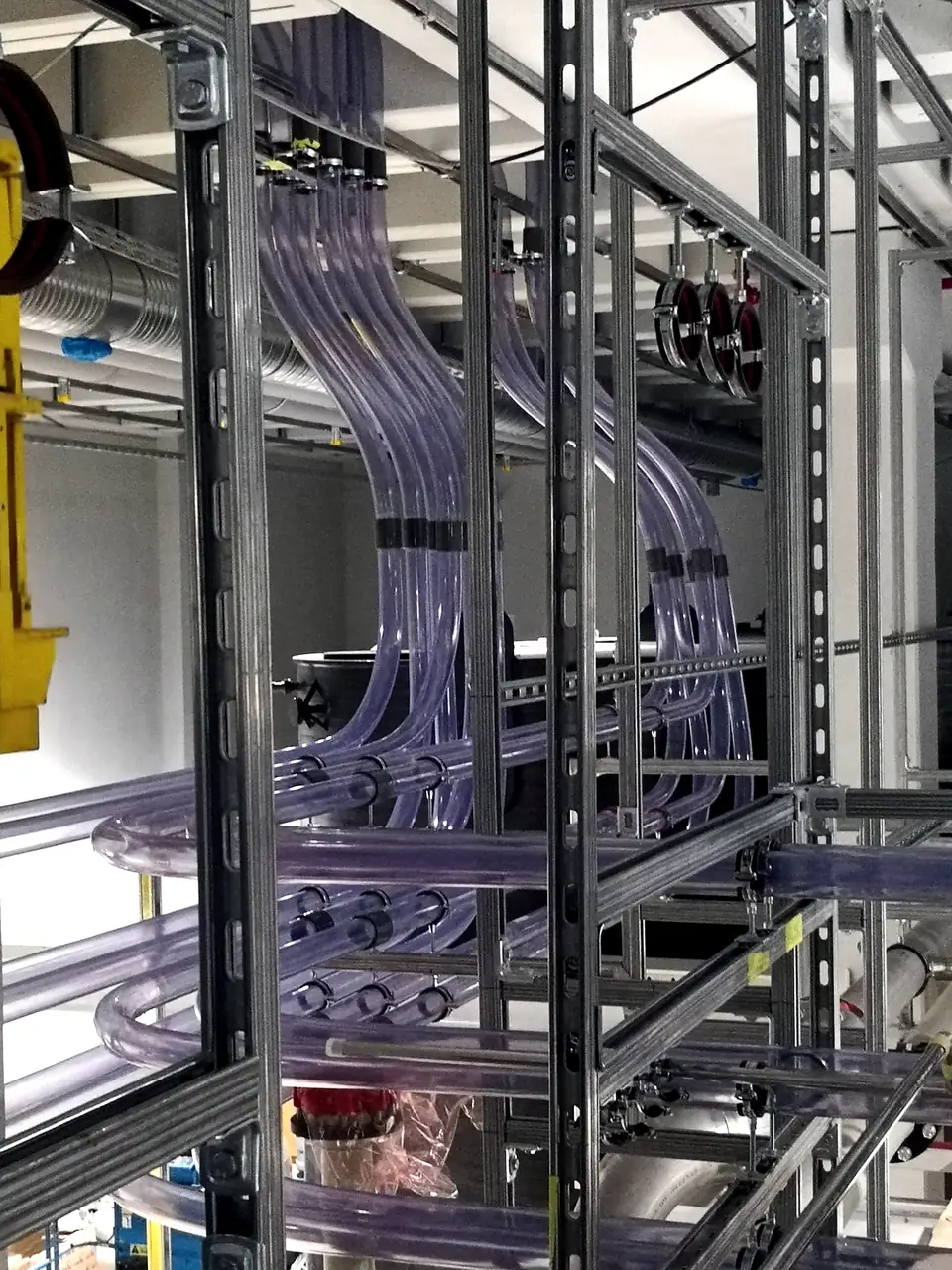 PVC solvent weldingPVC pipes and fittings joined with solvent cement, without heat. Clear pipes too.More about this method
Send an enquiry about this method
Describe the installation and attach a drawing or photo. We will confirm the method in our quote.