
Infrared (IR) welding of PP, PVDF and PE pipes and fittings
IR welding uses an infrared emitter: the pipe faces are heated without touching the plate. It produces clean, repeatable joints in chemical and water installations.
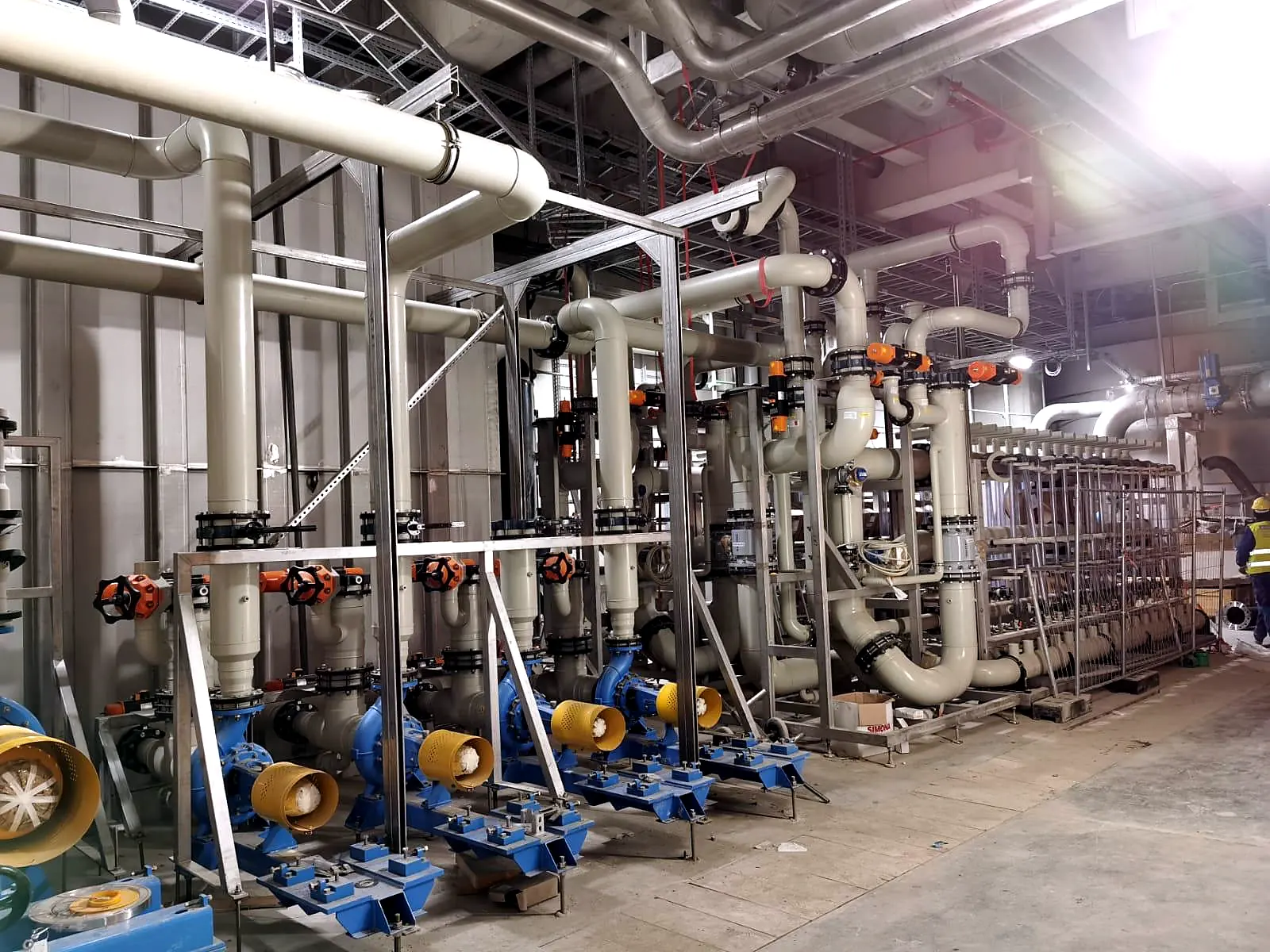
How IR welding works
The process is similar to butt fusion welding, but the pipe faces do not touch the heater plate. An emitter heats them from a short distance. No plastic sticks to the plate, so no contamination gets into the joint.
The weld bead is smaller and more regular than with heater plate welding, and the joints are highly repeatable. That is why IR welding is chosen where the purity of the medium and the quality of the pipe bore matter.
The method requires precise preparation of the faces and stable working conditions. When working on site, we protect the welding area from draughts, dust and moisture.
When to use this method
- chemical installations in PP and PVDF
- water treatment and high-purity water
- media that must not be contaminated
- series of similar joints where repeatability matters
When another method is better
- PE water and sewage pipelines on construction sites: butt fusion welding
- repairs and confined spaces: electrofusion welding
- sheets, tanks and basins: extrusion welding
Materials
- PP
- PVDF
- PE
How the welding is carried out
- 01
We clamp the components
We align the pipes or fittings in the welding machine on a common axis.
- 02
We face the ends
The facing tool prepares clean, even surfaces for welding.
- 03
We heat without contact
The emitter heats the faces from a short distance without touching the plastic.
- 04
We join under pressure
The welding machine brings the heated faces together with controlled force.
- 05
We cool and inspect
The joint cools in the machine. We assess the weld bead and the alignment of the components.
We set the welding parameters for the material and diameter.
Inspection and documentation
The IR welding machine records every joint automatically and prints a barcode label, so each joint can be traced later. We also assess every joint visually. The records are handed over together with the installation. We hold DVS certificates and a TÜV certificate for this method.
From our projects
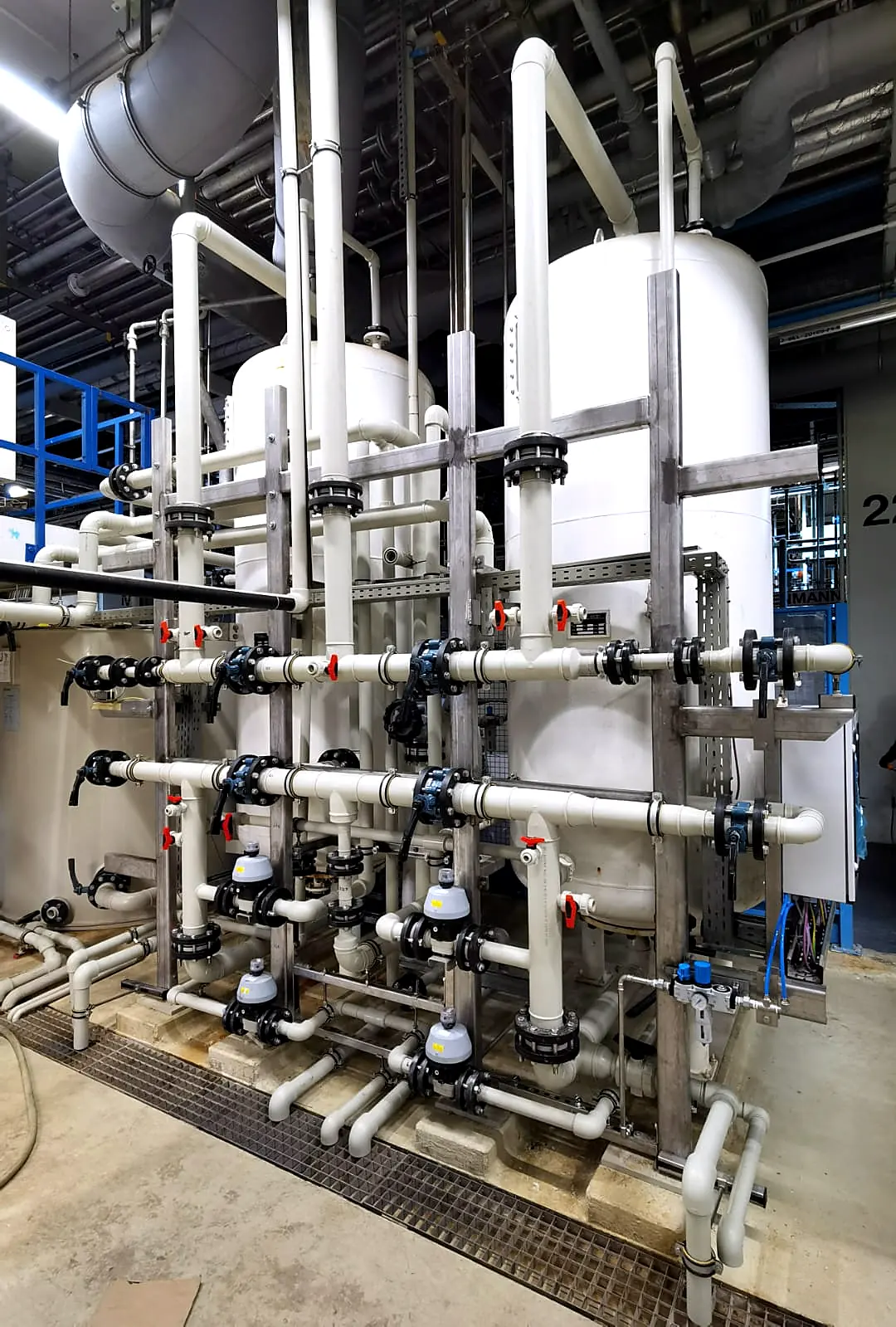
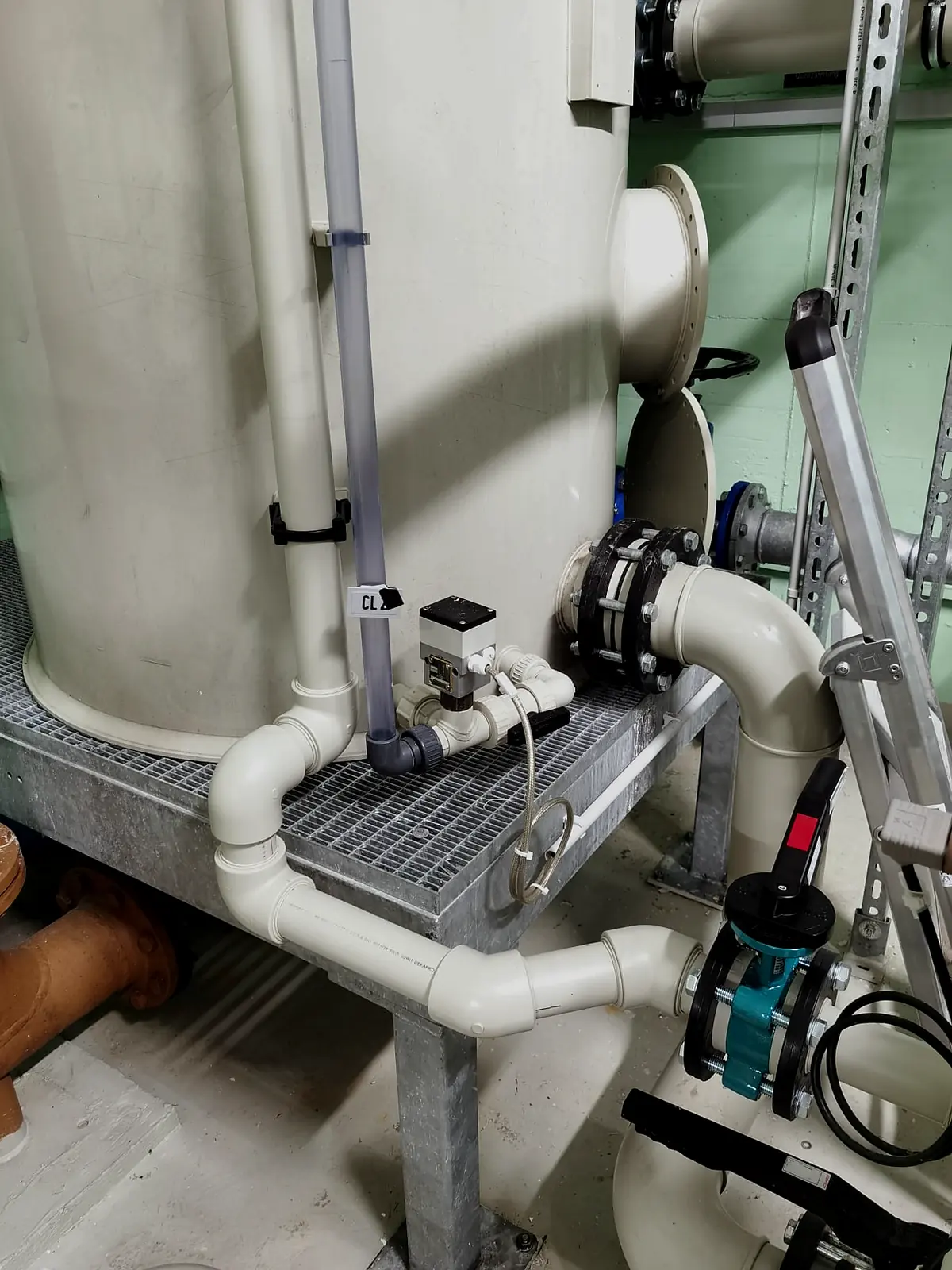
Questions about IR welding
How does IR welding differ from butt fusion welding?
The pipe faces are heated by an emitter, not by a plate that is in contact with the plastic. The joint is cleaner, and the weld bead is smaller and more regular.
Which installations is IR welding suitable for?
Most often chemical installations in PP and PVDF and high-purity water. If you are not sure whether it is the right method for your installation, describe it in your enquiry.
Is IR welding more expensive?
Usually yes, because it requires a dedicated welding machine. In the quote we will tell you whether butt fusion welding is sufficient in your case.
Do you carry out IR welding on site?
Yes, if stable working conditions can be ensured on site. We agree the scope of on-site work when preparing the quote.
Other methods
-
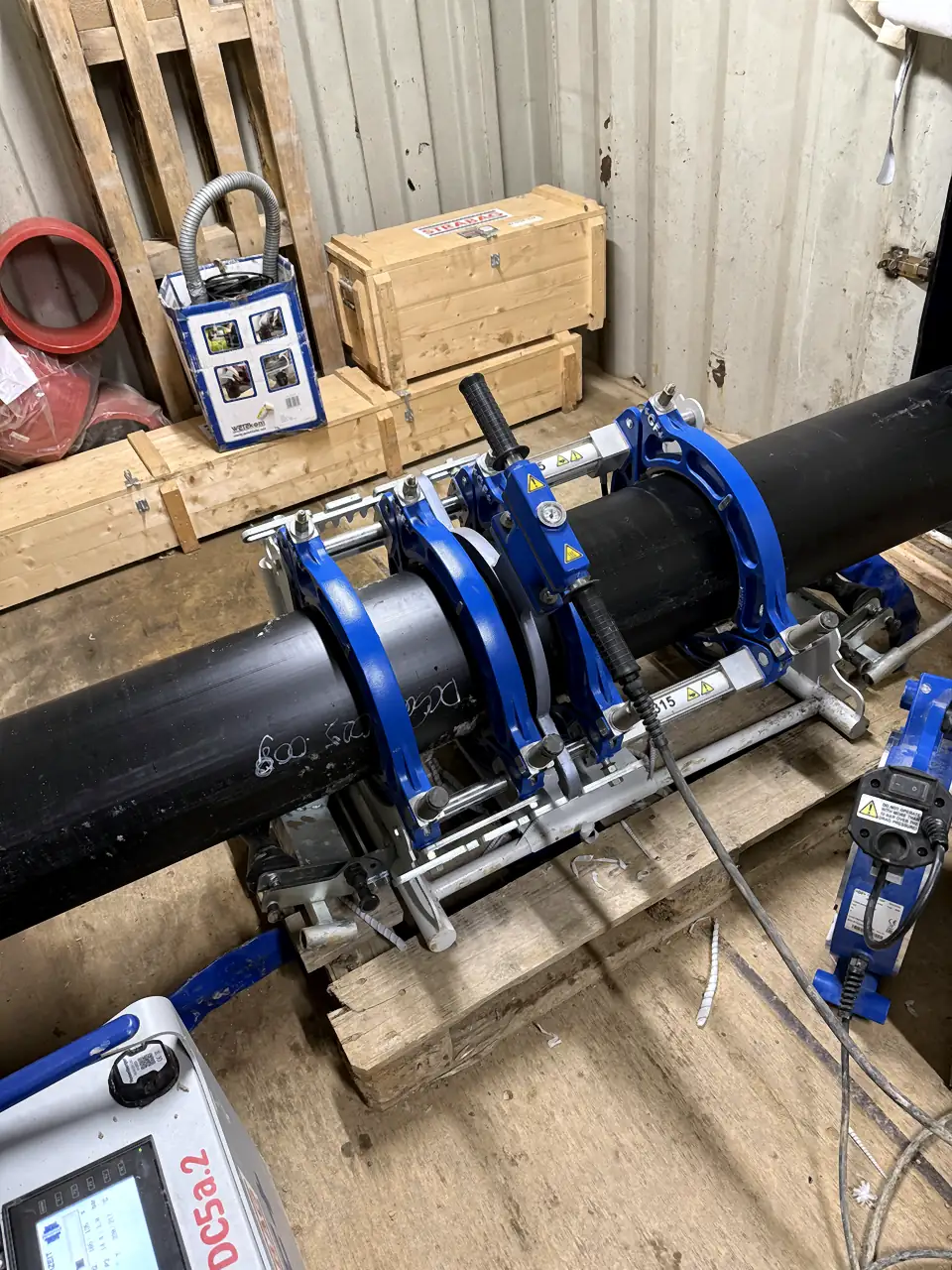 Butt fusion weldingPE and PP pipes and fittings joined end to end with a heater plate. The standard method for pipelines and manifolds.More about this method
-
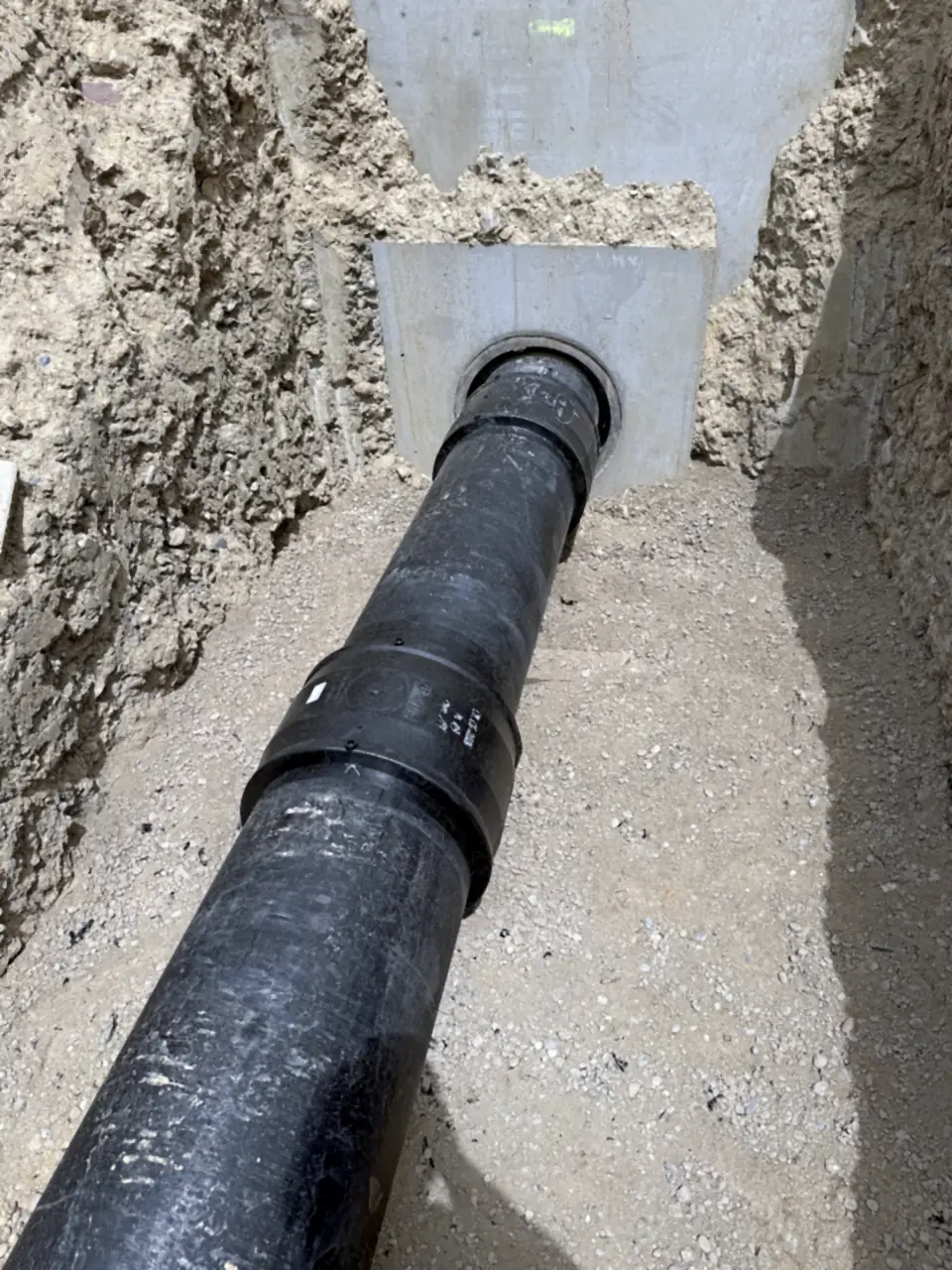 Electrofusion weldingA fitting with an embedded heating wire is fused by electric current. For places where a butt fusion machine will not fit.More about this method
-
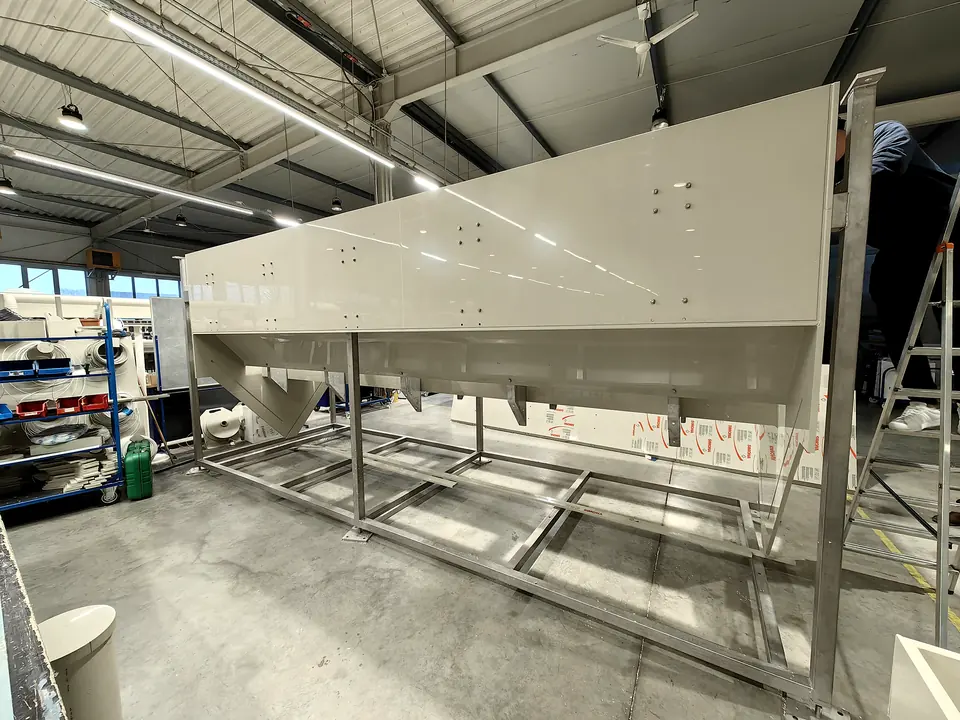 Extrusion weldingA hand-held extruder feeds plasticised welding rod straight into the weld. For sheets and thicker components.More about this method
-
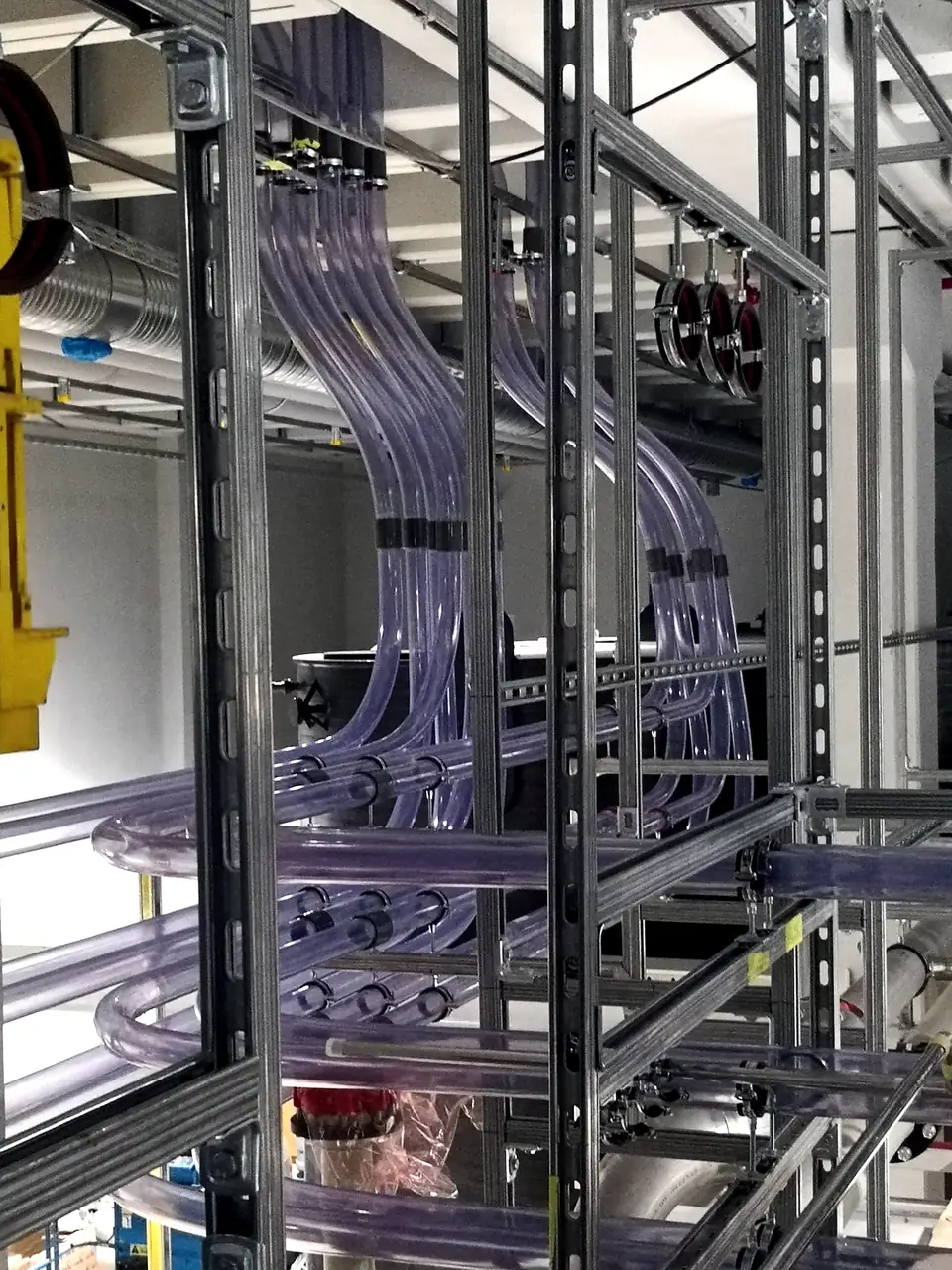 PVC solvent weldingPVC pipes and fittings joined with solvent cement, without heat. Clear pipes too.More about this method
Send an enquiry about this method
Describe the installation and attach a drawing or photo. We will confirm the method in our quote.