
Extrusion welding of tanks and sheet components
A hand-held extruder feeds plasticised material straight into the weld. This is how we join sheets, weld in nozzles and repair plastic tanks, basins and housings.
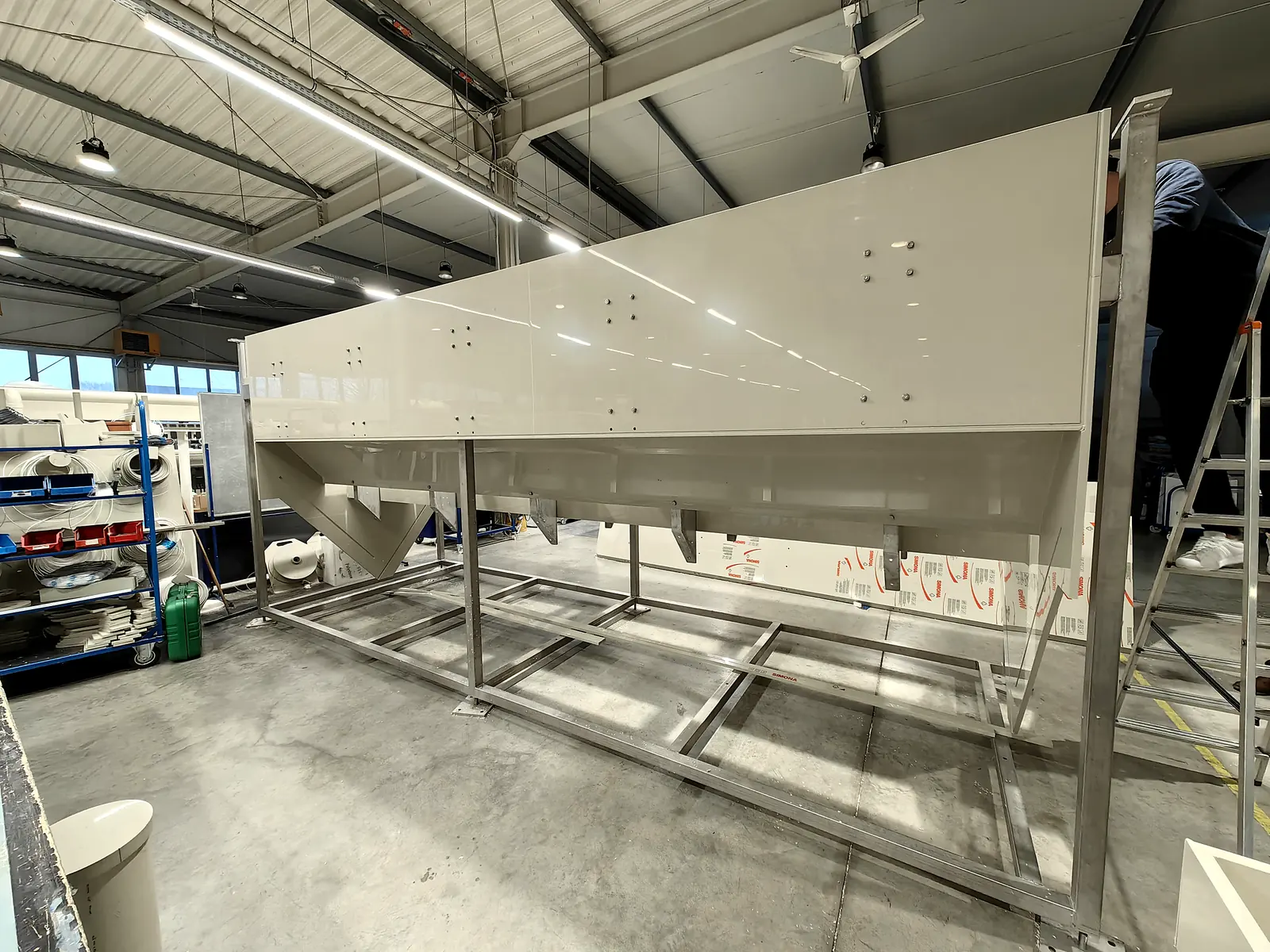
How extrusion welding works
The extruder melts welding rod made of the same plastic as the components being joined and forces it into the prepared groove. At the same time, hot air preheats the edges so that the weld bonds well with them.
A single pass can fill a thicker joint, and welding is possible in any position. That is why it is the standard method for tanks, basins and sheet components.
Extrusion welding is also useful for repairs. A crack or a damaged nozzle can often be repaired on site without replacing the whole tank, if the condition of the material allows.
When to use this method
- tanks and basins made of sheet
- ducts, housings and covers
- welding in nozzles and connections
- repairs of cracks and damage to sheet components
- joining thicker components that cannot be butt welded
- modifications to existing tanks, e.g. a new connection or an additional nozzle
When another method is better
- joining pipes around the full circumference: butt fusion or electrofusion welding
- PE pressure pipelines: butt fusion or electrofusion welding
- PVDF installations for high-purity media: IR welding
Materials
- PE
- PP
How the welding is carried out
- 01
We prepare the edges
We bevel the sheet edges to create a groove for the weld material.
- 02
We clean the surfaces
We scrape off the surface layer at the weld so that the plastic bonds well.
- 03
We preheat the edges
Hot air from the extruder heats the edges just ahead of the weld.
- 04
We lay the weld
The extruder forces plasticised material into the groove and shapes the weld face.
- 05
We cool and inspect
The weld cools without load. We check its shape and fusion along its entire length.
We match the welding rod material to the material of the components being joined.
Inspection and documentation
We visually assess every weld along its entire length and document it in the record on the form for this method. Before handover, the tank can be checked with a water leak test. We hold DVS certificates and a TÜV certificate for this method.
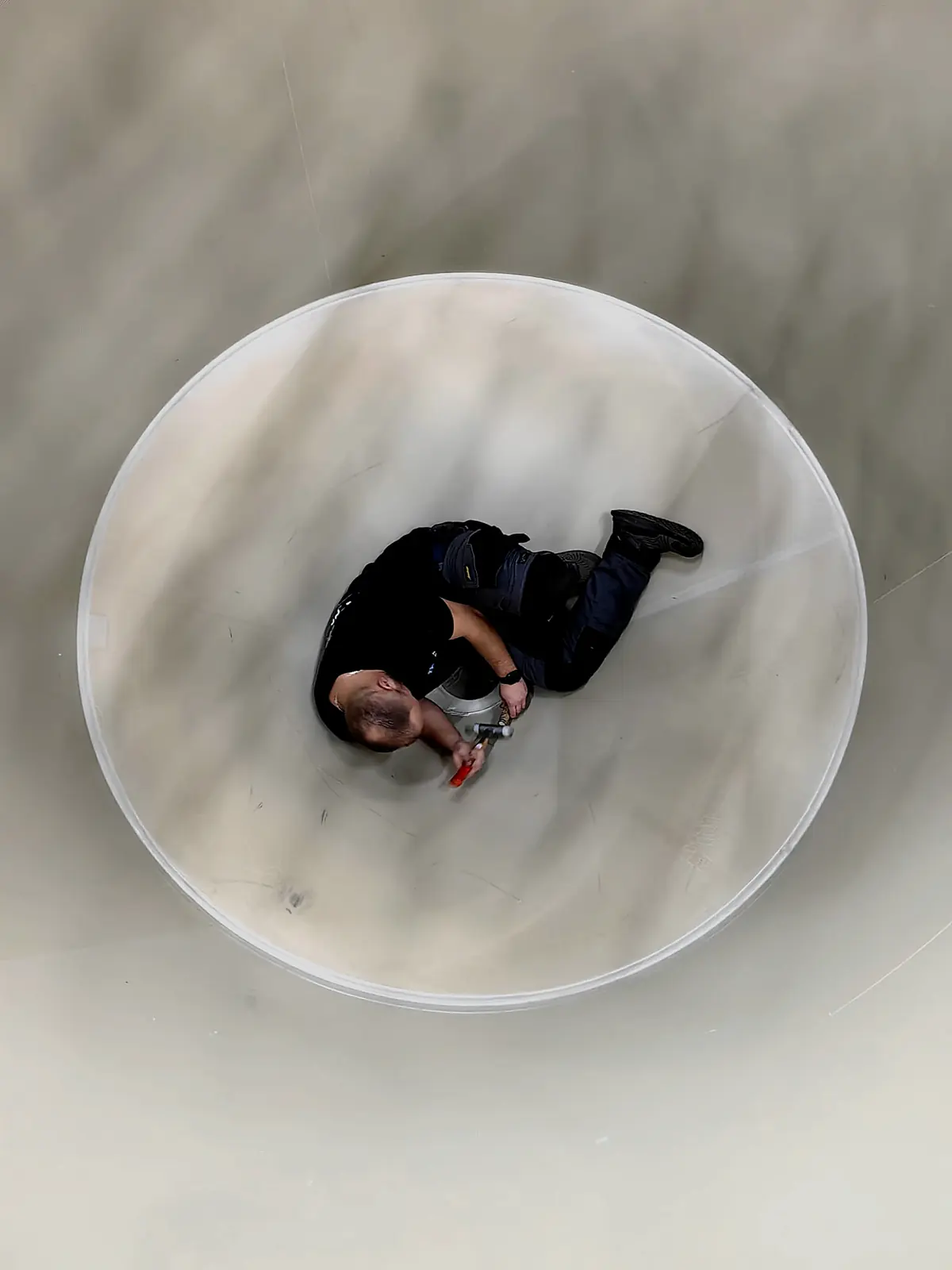
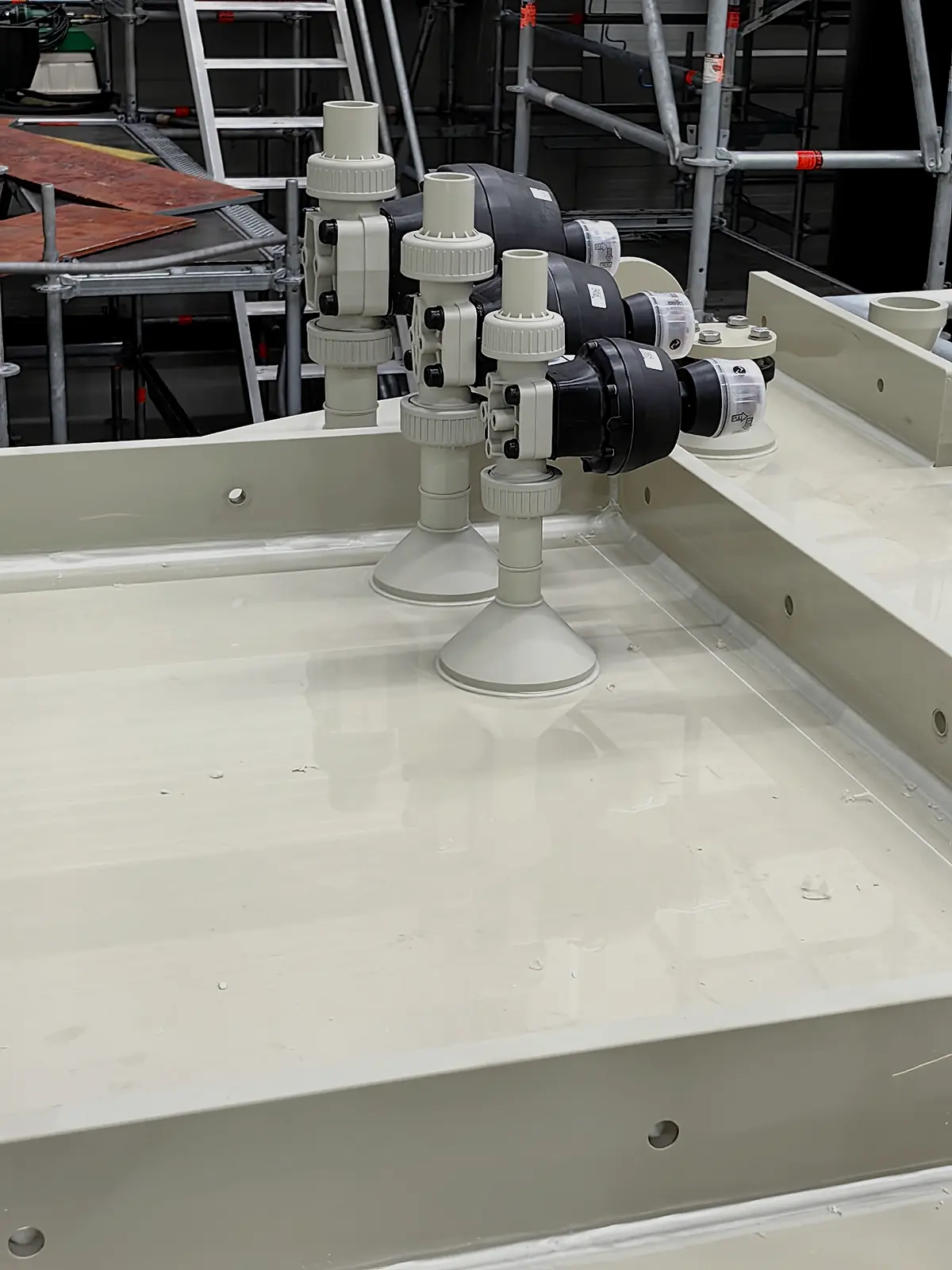
From our projects
Questions about extrusion welding
Do you repair cracked tanks?
Yes, if the tank material allows. We will assess this based on photos of the crack and information on what the tank contains.
Do you weld at the client's site or in your own workshop?
Mostly on site. Smaller components can be prepared in advance and only installed on site.
What should I include in my enquiry?
The material and thickness of the sheets, the dimensions of the component, a drawing or photos, and information on the medium the tank will hold.
How does extrusion welding differ from hot air welding?
In hot air welding, the filler material melts in the air stream and the weld is thin. An extruder delivers more material at once, which is why it works better with thicker sheets.
Other methods
-
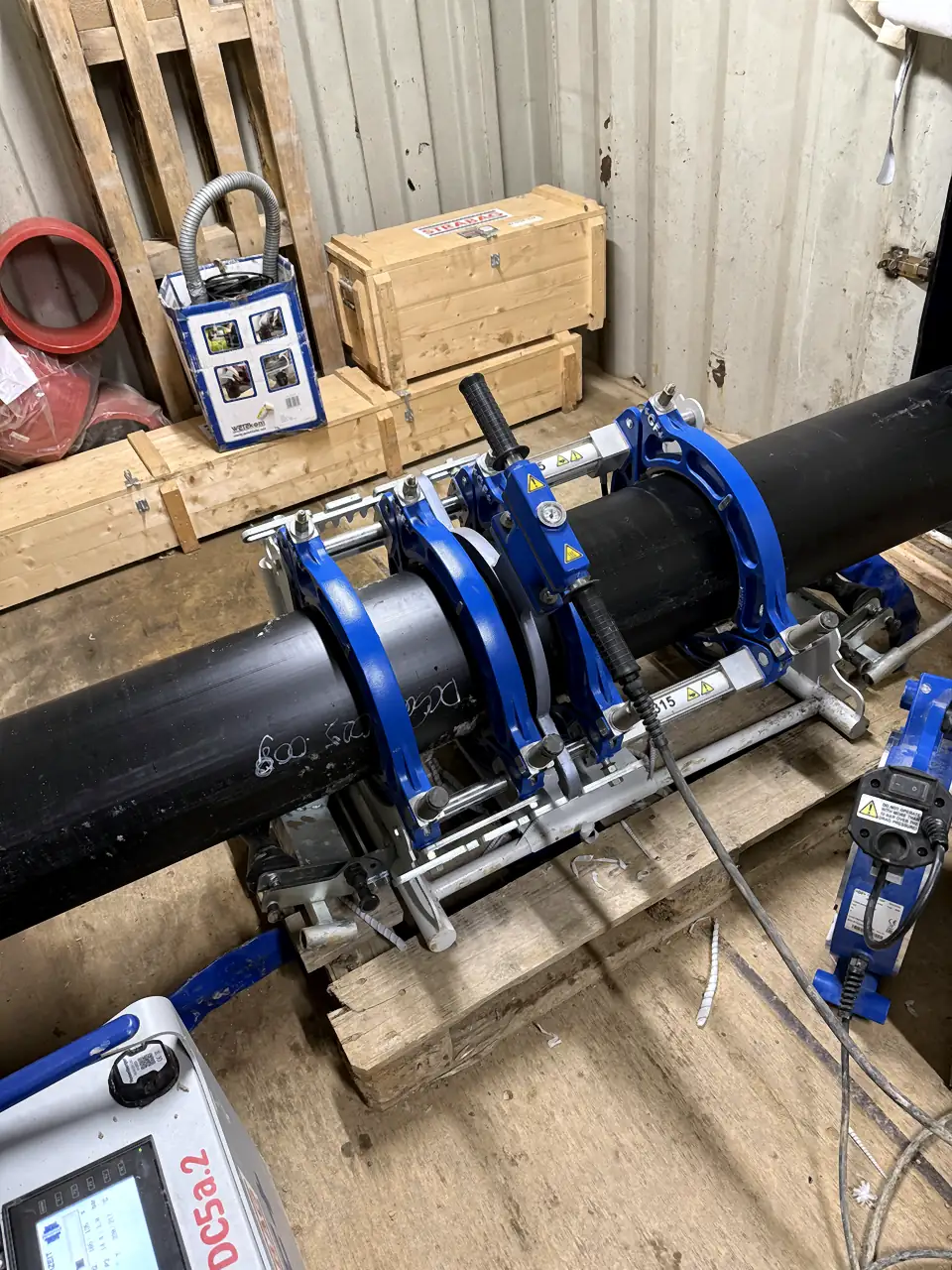 Butt fusion weldingPE and PP pipes and fittings joined end to end with a heater plate. The standard method for pipelines and manifolds.More about this method
-
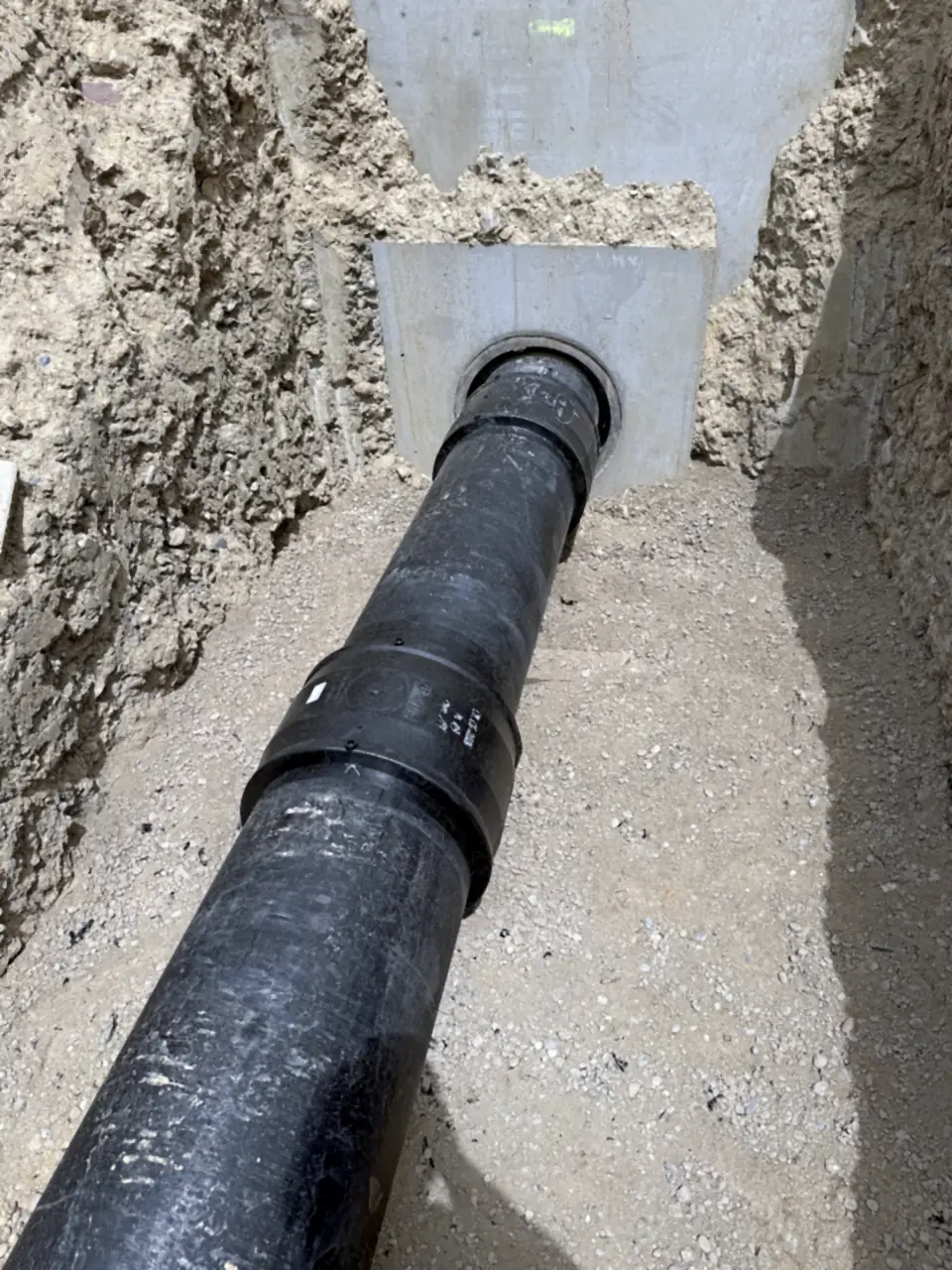 Electrofusion weldingA fitting with an embedded heating wire is fused by electric current. For places where a butt fusion machine will not fit.More about this method
-
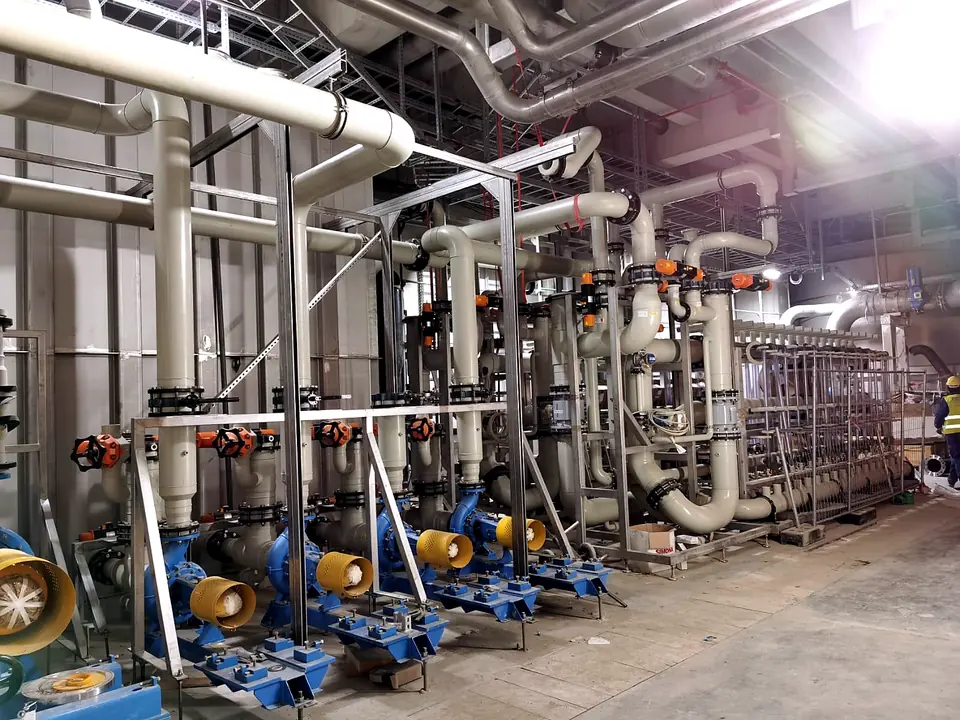 Infrared (IR) weldingHeating with an infrared emitter, without contact with a plate. Clean, repeatable PP and PVDF joints.More about this method
-
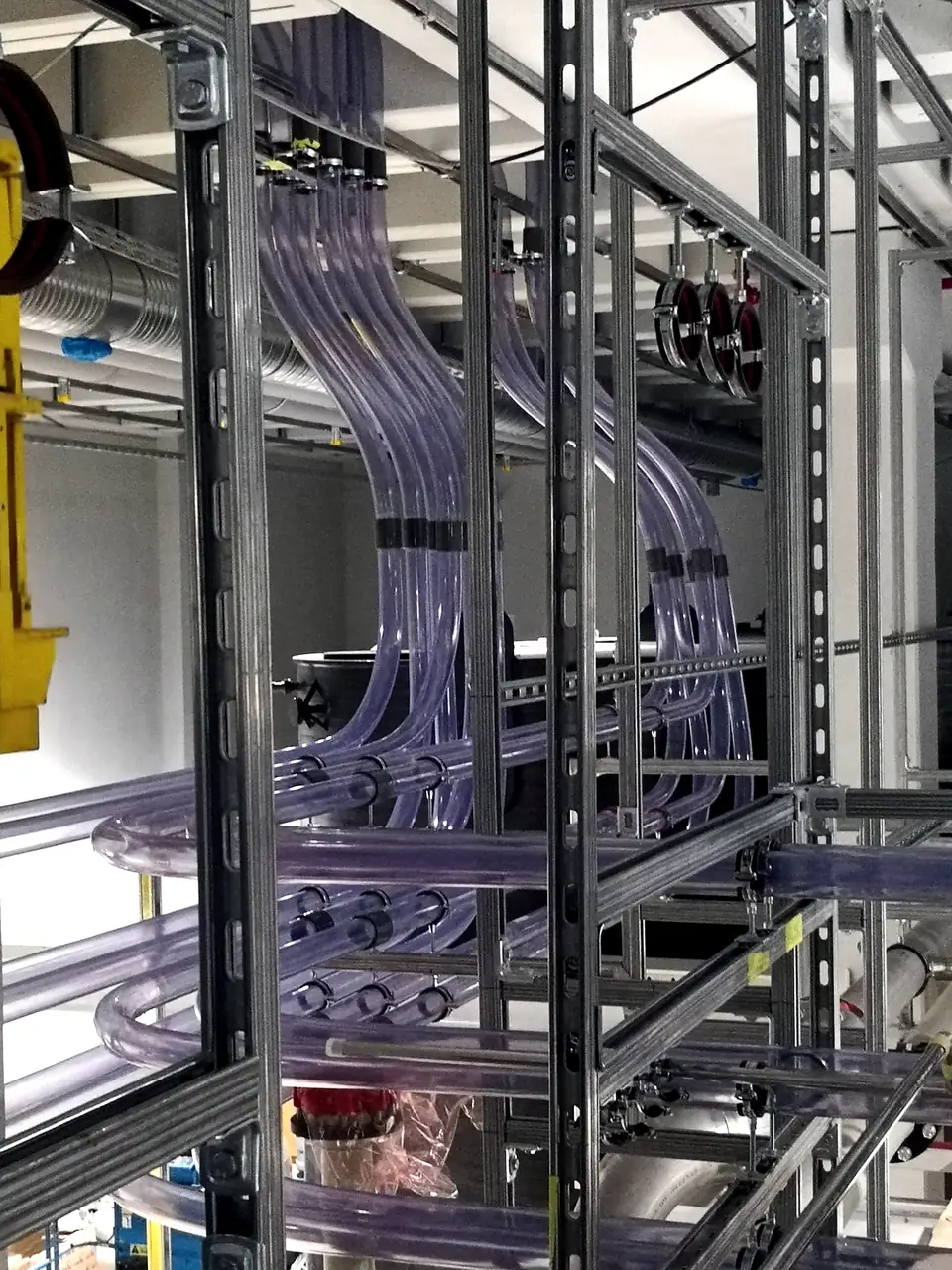 PVC solvent weldingPVC pipes and fittings joined with solvent cement, without heat. Clear pipes too.More about this method
Send an enquiry about this method
Describe the installation and attach a drawing or photo. We will confirm the method in our quote.